Loading…
Team-Issued vs Retail Jerseys: Complete Comparison
Wondering if that jersey is authentic professional gear or a high-quality replica? The distinction between team issued vs retail jerseys affects both value and authenticity. Understanding these differences protects your investment and ensures you know exactly what you're buying. Shop authenticated team-issued jerseys with transparent documentation and expert verification.
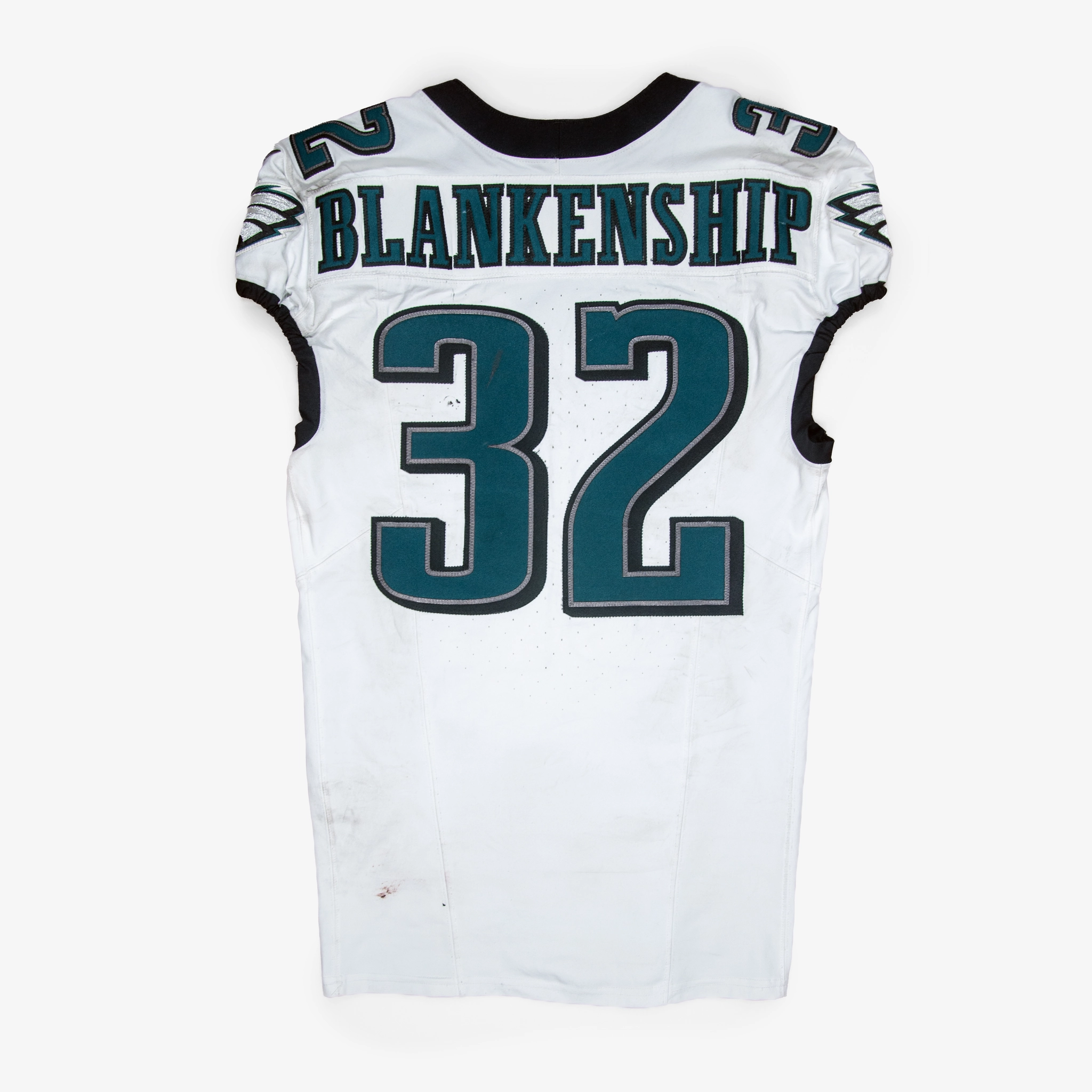
When you purchase a jersey, you're choosing between several tiers of authenticity. Team issued jerseys represent actual professional equipment prepared for players, while retail jerseys are manufactured for fans. The differences go far beyond the price tag, affecting everything from construction methods to long-term collectibility.
Many collectors mistakenly believe that expensive retail "authentic" jerseys are the same as team issued versions. The reality is more nuanced. Even premium retail jerseys differ significantly from what teams actually prepare for their players, and understanding these distinctions is crucial for serious collectors.
What Makes a Jersey "Team-Issued"
Team issued jerseys are professional equipment manufactured to exact player specifications and prepared for potential game use. These aren't fan merchandise; they're the actual jerseys held in team inventory.
Manufacturing and Construction Standards
Team issued jerseys follow specifications that differ from retail versions, even premium retail "authentics." These construction differences exist for performance, durability, and team requirements.
Team-issued construction characteristics:
- Made to professional athletic performance standards
- Uses materials selected for on-field conditions
- Cut and sized for athletic movement and equipment
- Features reinforced stitching at stress points
- Includes proper internal tagging with manufacturer specifications
- Contains team authentication markers or inventory tags
- Built to withstand the physical demands of professional sports
The manufacturing process for team issued jerseys prioritizes function over appearance. Details that matter to fans might differ from what teams prioritize for actual play. Fit, durability, and performance come first.
How Teams Prepare and Allocate Jerseys
Professional teams don't prepare a single jersey per player. They create multiple sets throughout a season, with extras for various situations and contingencies.
Team jersey preparation includes:
- Multiple sets prepared at season start (often 3-4 complete sets)
- Backup jerseys for emergency replacement
- Special event jerseys (throwbacks, military appreciation, etc.)
- Practice jerseys separate from game inventory
- Jerseys allocated but potentially never worn
Not every team issued jersey sees game action. A player might have five jerseys prepared but only wear three during actual games. The unworn jerseys remain team issued but lack game-worn status, creating an important value distinction.
Understanding this classification system is essential. Our comprehensive game-used vs game-worn guide explains how different usage levels affect collectibility and value.
Documentation and Provenance
Legitimate team issued jerseys come with documentation connecting them to the team's equipment inventory. This provenance separates authentic team-issued items from retail jerseys, regardless of quality.
Proper team-issued documentation includes:
- Letters from team equipment managers
- Team inventory tags or markings
- Authentication company verification
- Specific season and set identification
- Chain of custody from team to collector
- Photographic evidence of preparation or storage
Without this documentation, proving a jersey is genuinely team issued becomes difficult. The physical jersey might be identical to team specifications, but provenance is what confirms its authentic status.
Learn more about authentication standards in our detailed article on game-worn jersey definitions.
Understanding Retail Jersey Tiers

The retail market offers multiple jersey quality levels, from basic replicas to premium "authentic" versions. Each tier serves different customer needs and budgets.
Replica Jerseys: Entry-Level Fan Gear
Replica jerseys are designed for casual fans who want team colors and branding without premium pricing. These are clearly distinct from professional equipment.
Replica jersey characteristics:
- Screen-printed names, numbers, and logos
- Lighter weight materials for comfort, not performance
- Simplified construction with less reinforcement
- Standard retail sizing (S, M, L, XL)
- Significantly lower price point
- Made for casual wear, not athletic use
Replicas serve their purpose as affordable fan merchandise. No serious collector would mistake a replica for team-issued equipment, but they're perfect for wearing to games without risking damage to expensive memorabilia.
Premium "Authentic" Retail Jerseys
This tier creates the most confusion. Retail "authentic" jerseys claim to match what players wear, but significant differences remain between even premium retail versions and actual team-issued equipment.
Premium retail "authentic" features:
- Stitched names, numbers, and logos (not screen-printed)
- Higher quality materials approaching professional standards
- Better construction than replicas
- Athletic cut designed for active wear
- Substantial price point (often $200-$400)
- Licensed by leagues with official branding
These jerseys are high-quality products that look impressive. However, they're still manufactured for retail sale, not prepared by teams for their players. The distinction matters for collectors, even if casual fans don't notice differences.
Limited Edition and Special Release Jerseys
Manufacturers sometimes create limited retail releases with premium features. These occupy a space between standard retail and team-issued equipment.
Special retail releases include:
- Anniversary or milestone commemorative jerseys
- Jerseys from specific memorable games (retail versions)
- Limited production runs with special packaging
- Higher price points justified by exclusivity
- Enhanced materials or construction details
These items are collectible retail products but remain fundamentally different from team-issued equipment. Their value comes from scarcity and marketing rather than direct connection to professional teams.
Physical Differences You Can Identify
Examining jerseys closely reveals specific differences between team issued and retail versions. These physical characteristics help collectors identify authentic professional equipment.

Material and Fabric Quality
Professional jerseys use materials selected for athletic performance under intense conditions. Retail jerseys prioritize appearance and cost management.
Material differences include:
- Team-issued: Performance fabrics with moisture management systems
- Team-issued: Heavier, more durable materials for contact sports
- Team-issued: Specialized materials for different sports (breathable for basketball, protective for hockey)
- Retail: Good quality but prioritizes comfort over performance
- Retail: Materials selected for manufacturing efficiency
- Retail: Less expensive fabric treatments and finishes
Feel the weight and texture of jerseys. Team issued versions often feel more substantial and purpose-built compared to retail versions designed for casual wear.
Construction and Stitching Details
How jerseys are assembled reveals their intended purpose. Professional equipment receives construction details that retail versions omit.
Construction differences to examine:
- Stitching reinforcement at stress points (shoulders, sleeves)
- Double or triple stitching on seams
- Bar-tack reinforcement at potential tear points
- Fight strap attachments (hockey) or other sport-specific features
- Internal mesh panels or ventilation systems
- Hem construction and finishing details
Look inside jerseys at construction quality. Team issued versions show robust assembly designed to survive professional athletic abuse. Retail jerseys, even premium versions, use construction adequate for fan wear but not professional sports.
Tagging and Identification Markers
Internal tags provide crucial information about a jersey's origins. Team issued jerseys include specific tagging that retail versions lack.
Team-issued tagging includes:
- Manufacturer specifications with production codes
- Size tags using professional sizing systems (not standard S/M/L)
- Team inventory tags or markings
- Set identification numbers or labels
- Equipment manager notations
- League authentication tags (increasingly common)
Retail jerseys have consumer-oriented tags showing standard sizing, care instructions, and licensing information. They lack the professional inventory markers that identify team-issued equipment.
Understanding these physical differences helps collectors evaluate items accurately. For related information about authenticity markers, see our guide on practice-worn memorabilia value.
Sport-Specific Considerations
Different sports have unique jersey standards and allocation practices. What's standard in hockey differs from basketball or football team procedures.
Hockey Jersey Differences
NHL teams prepare multiple jersey sets with specific protocols. Hockey's physical nature means jerseys sustain significant wear and require frequent replacement or repair.
Hockey team-issued specifics:
- Three or more complete sets prepared per season
- Fight straps sewn in (retail versions lack these)
- Reinforced elbows and shoulders for contact
- Specific manufacturing partnerships (Adidas currently for NHL)
- Serial numbers or set identifiers
- Exact player customization with team specifications
Hockey collectors benefit from relatively strong documentation. Teams track sets carefully, and authentication companies like MeiGray have partnerships providing direct access to team equipment.
Basketball Jersey Characteristics
NBA jerseys are lighter and less reinforced than contact sport uniforms. The focus is on breathability and movement rather than impact protection.
Basketball team-issued features:
- Extremely lightweight performance materials
- Cut for unrestricted arm movement
- Longer length to stay tucked during play
- Minimal reinforcement (less physical contact than hockey/football)
- Multiple versions (Association, Icon, Statement, City editions)
- Precise player measurements for custom fit
Basketball's shorter season means fewer total jerseys exist compared to baseball or hockey. This scarcity affects both team-issued and game-worn values.
Baseball Uniform Details
Baseball teams prepare extensive jersey inventories. The long season means players might receive dozens of jerseys annually.
Baseball team-issued characteristics:
- Button-front construction (most other sports use pull-over designs)
- Specific fabric weight for season conditions
- Different styles for home, away, alternate configurations
- Memorial patches or special event additions
- Strict uniform code compliance (MLB rules)
- Preparation of spring training vs. regular season jerseys
Baseball offers perhaps the widest variety of jersey types and situations. Spring training jerseys, batting practice jerseys, and special event uniforms all represent distinct categories with different values.
Football Jersey Specifications
NFL jerseys must withstand extreme physical contact. Construction reflects this reality with heavy reinforcement and protective elements.
Football team-issued features:
- Heavily reinforced shoulders and elbows
- Mesh panels for ventilation under pads
- Precise fit for wearing with protective equipment
- Elastic or grip materials at hems
- Multiple jersey options (multiple color combinations)
- Preparation of color rush, throwback, and special editions
Football teams often provide multiple jerseys even for single games. Players might change jerseys at halftime or after particularly dirty plays. This practice creates more team-issued inventory than actual game use.
Pricing and Value Considerations
The market prices team issued and retail jerseys very differently. Understanding these value distinctions helps collectors make informed purchasing decisions.
Team-Issued Jersey Market Values
Team issued jerseys occupy a middle tier in the memorabilia market. They're significantly more valuable than retail jerseys but substantially less than game-worn versions.
Typical team-issued pricing factors:
- Star players command premium prices (Hall of Famers especially)
- Championship seasons increase value
- Proper documentation and authentication required
- Condition affects price (unworn vs. practice-worn)
- Sport and team popularity influence demand
- Rarity and availability in the market
A team issued jersey from a Hall of Fame player might sell for $500 to $5,000 depending on the player, sport, and documentation. The same player's game-worn jersey could bring $10,000 to $50,000 or more. Meanwhile, retail "authentic" jerseys of the same player sell new for $200-400.
Retail Jersey Resale Reality
Retail jerseys, even premium "authentic" versions, have limited resale value. They're consumer products, not collectible memorabilia.
Retail jersey resale challenges:
- Significant depreciation from retail price
- Market flooded with identical items
- No scarcity or exclusivity
- Player name decreases flexibility (limits buyer pool)
- Condition issues common with worn items
- Limited collector interest
A $300 retail "authentic" jersey might resell for $50-150, assuming it's in excellent condition and features a currently popular player. Jerseys of traded players or those who fell from favor become nearly worthless in resale markets.
Investment Perspective Comparison
From an investment standpoint, team issued jerseys from significant players can appreciate. Retail jerseys rarely do.
Team-issued appreciation factors:
- Limited availability as items leave market
- Growing collector base and awareness
- Strong provenance and documentation
- Connection to specific seasons or teams
- Proper preservation maintains condition
- Hall of Fame inductions boost values
Retail depreciation factors:
- Continuous manufacturing of new versions
- Style changes make older versions less desirable
- No scarcity or authentication requirements
- Player performance and career changes affect demand
- Wear and age reduce value further
If you're collecting for investment potential, team issued items with proper documentation are far superior to retail jerseys, regardless of retail price paid.
Authentication and Verification
Determining whether a jersey is genuinely team issued requires careful examination and documentation review. Authentication protects collectors from misrepresented retail jerseys.
What Authenticators Verify
Professional authentication companies examine multiple factors to confirm team-issued status. This process goes beyond simply verifying the jersey looks correct.
Authentication verification includes:
- Manufacturing details matching professional specifications
- Tagging consistent with team-issued equipment
- Materials and construction appropriate for the sport and era
- Provenance documentation review
- Comparison with known team-issued examples
- Detection of retail jerseys misrepresented as team-issued
Authentication companies maintain reference materials showing proper team-issued characteristics for different teams, eras, and manufacturers. This expertise protects collectors from sophisticated fakes or misrepresented retail items.
Documentation Requirements
Beyond the physical jersey, proper documentation establishes team-issued status. Without this provenance, even physically correct jerseys lack verified authenticity.
Essential documentation includes:
- Letters from team equipment managers
- Authentication company certificates
- Photographs showing jersey in team inventory
- Chain of custody from team to current owner
- Team sale or auction records
- Specific season and player identification
Collectors should demand this documentation before purchasing team issued jerseys. Sellers who can't provide proper paperwork may be misrepresenting retail jerseys or lack legitimate provenance.
For comprehensive information about authentication standards, visit our detailed guide on game-worn jersey definitions.
Red Flags and Warning Signs
Certain indicators suggest a jersey marketed as "team issued" might actually be retail merchandise or worse, a counterfeit.
Warning signs to watch for:
- Retail store tags or stickers still attached
- Standard retail sizing labels (S, M, L, XL)
- Screen-printed rather than stitched elements
- Generic authentication or no authentication
- Seller unable to explain provenance
- Price significantly below market value
- Stock photos rather than actual item photos
- Vague language about the jersey's origins
Trust your instincts. If something seems off about a jersey or its documentation, ask detailed questions before committing to purchase. Reputable sellers welcome scrutiny and provide transparent information.
Making Smart Purchasing Decisions
Whether you're seeking team issued equipment or selecting retail jerseys for personal wear, understanding these distinctions helps you make appropriate choices.
When to Buy Team-Issued Jerseys
Team issued jerseys make sense for serious collectors building authentic memorabilia collections. They represent genuine professional equipment with collectible value.
Best reasons to buy team-issued:
- Building an authentic sports memorabilia collection
- Seeking items with investment appreciation potential
- Displaying professional equipment in home or office
- Collecting specific player, team, or era memorabilia
- Wanting items with genuine professional provenance
- Valuing authenticity over price considerations
Team issued jerseys require higher initial investment but provide authentic pieces of sports history. They're appropriate for collectors serious about memorabilia, not casual fans seeking game-day wear.
When Retail Jerseys Are Appropriate
Retail jerseys serve important purposes despite lacking team-issued status. They're perfect for specific situations where team-issued equipment would be impractical.
When retail jerseys make sense:
- Wearing to games without risking valuable collectibles
- Personal athletic use or recreation
- Children who will outgrow jerseys quickly
- Budget-conscious fan gear purchases
- Seasonal or trendy choices that might change
- Gifts for casual fans
Nobody should wear a $3,000 team issued jersey to tailgate parties or youth sports practices. Retail jerseys fill these needs perfectly while preserving valuable collectibles for proper display.
Building a Quality Collection
Serious collectors often maintain both team issued memorabilia for display and retail jerseys for personal wear. Understanding the distinction between categories allows appropriate allocation of budget and resources.
Collection building strategies:
- Focus team-issued purchases on favorite players or significant moments
- Buy retail jerseys for players you enjoy but won't invest in seriously
- Prioritize documentation and authentication for team-issued items
- Accept that retail jerseys are consumable fan gear, not investments
- Research market values before making team-issued purchases
- Join collector communities for advice and market insights
A well-planned collection balances passion with practical considerations. Not every jersey needs to be team issued, but the items you invest in seriously should have proper authentication and documentation.
For guidance on related collecting categories, see our article about player exclusive memorabilia.
Preservation and Display
Once you own team issued jerseys, proper care preserves their condition and value. These items deserve better treatment than retail jerseys hanging in closets.
Proper Storage Methods
Team issued jerseys are valuable collectibles requiring appropriate storage to maintain condition. Environmental factors can damage jerseys over time.
Storage best practices include:
- Climate-controlled environment (avoid attics, basements, garages)
- Protection from direct sunlight (UV damage fades colors)
- Acid-free tissue paper for long-term storage
- Breathable garment bags (not plastic)
- Hanging on padded hangers or flat storage in boxes
- Regular inspection for signs of degradation
Never wash team issued jerseys, even if they show use. Authentic wear, including stains and odors, is part of the provenance. Professional conservators can stabilize items if necessary, but avoid amateur cleaning attempts.
Display Considerations
Properly displaying team issued jerseys showcases your collection while protecting the items. Display choices range from simple to elaborate.
Display options include:
- Professional framing with UV-protective glass
- Jersey display cases (wall-mounted or free-standing)
- Mannequin displays in collection rooms
- Shadow boxes with related memorabilia
- Rotation of displayed items to limit light exposure
Quality framing is expensive but protects valuable jerseys. Expect to pay $300-800 for professional sports memorabilia framing with proper materials and techniques.
Insurance and Documentation
Team issued jerseys represent significant value. Protecting this investment requires proper insurance and documentation.
Protection measures include:
- Adding collectibles rider to homeowners/renters insurance
- Photographing items with documentation
- Maintaining authentication certificates
- Creating detailed inventory of collection
- Storing digital copies of all paperwork
- Updating valuations as market prices change
Some insurance companies offer specialized collectibles coverage with agreed-value policies. This eliminates disputes about replacement value if items are damaged or stolen.
Market Trends and Future Outlook
The memorabilia market continues evolving. Understanding current trends helps collectors make forward-looking decisions.
Authentication Technology Advances
New technologies are making it easier to verify team issued status and harder to pass retail jerseys as professional equipment.
Emerging authentication methods:
- League-implemented tagging systems (Fanatics Authentic)
- Blockchain provenance tracking
- Advanced material analysis techniques
- Comprehensive team equipment databases
- DNA and biological marker analysis
- Machine learning for pattern recognition
These technologies benefit collectors by providing stronger authentication and clearer distinction between team issued and retail jerseys.
Market Transparency Increases
Online resources have dramatically increased market transparency. Collectors can research past sales, compare prices, and educate themselves about proper identification.
Benefits of increased transparency:
- Access to completed auction results
- Online collector forums for questions and advice
- Seller reputation systems and reviews
- Educational content from authentication companies
- Social media communities sharing knowledge
- Price guides and market tracking tools
This transparency makes it harder for sellers to misrepresent retail jerseys as team issued equipment. Informed buyers protect themselves and raise standards across the market.
Growing Collector Sophistication
Today's collectors are more knowledgeable than previous generations. Access to information has created demanding buyers who expect proper documentation.
Impact on the market:
- Higher standards for authentication and documentation
- Less tolerance for vague provenance
- Increased scrutiny of "too good to be true" pricing
- Demand for transparency from sellers
- Willingness to pay premiums for proper documentation
- Decline of informal sales without authentication
This sophistication benefits serious collectors while pressuring casual sellers to provide proper documentation or accept lower prices.
Common Misconceptions Debunked
Several persistent myths about team issued and retail jerseys confuse collectors. Clarifying these misconceptions prevents costly mistakes.
"Authentic" Doesn't Mean Team-Issued
The biggest misconception is that retail "authentic" jerseys are equivalent to team issued equipment. They're not, despite manufacturer marketing.
Reality check:
- Retail "authentic" is a marketing term, not authentication
- Premium retail jerseys are better than replicas but not team-issued
- "Authentic" means "official licensed product," not "team equipment"
- Teams don't wear retail jerseys, even premium versions
- Price doesn't determine team-issued status, provenance does
Don't let retail marketing terminology confuse you. Team issued means prepared by the team for their players, regardless of what retail packaging claims.
Higher Price Doesn't Guarantee Team-Issued Status
Some collectors assume expensive jerseys must be team issued. Pricing alone doesn't determine authenticity or classification.
Pricing reality:
- Counterfeit jerseys sometimes carry inflated prices
- Retail limited editions cost more than basic team-issued items
- Seller ignorance might overprice retail jerseys
- Authentication and documentation determine value, not asking price
- Some team issued items sell below retail "authentic" prices
Always verify what you're buying through documentation, not price assumptions. Expensive mistakes happen when collectors equate high prices with authentic team-issued status.
All Stitched Jerseys Aren't Team-Issued
Stitched names and numbers are required for team issued jerseys, but not all stitched jerseys are team issued. This creates confusion among newer collectors.
Stitching reality:
- Retail "authentic" jerseys feature stitched elements
- Stitching is necessary but not sufficient for team-issued status
- Provenance and documentation determine classification
- Many retail jerseys have excellent stitching quality
- Stitching alone doesn't confirm team-issued status
Examine documentation and provenance, not just construction quality, when evaluating team issued claims.
Resources for Continued Learning
Successful collecting requires ongoing education. Multiple resources help collectors deepen their knowledge about team issued and retail jersey distinctions.
Authentication Company Resources
Major authentication companies provide educational content helping collectors understand proper identification and documentation standards.
Educational resources include:
- Authentication company websites with guides
- Detailed explanations of examination processes
- Photo galleries of authenticated items
- Comparison guides showing differences
- Blog posts about specific authentication challenges
- Videos demonstrating examination techniques
These resources come from industry experts with years of experience examining thousands of jerseys. Their expertise is invaluable for collectors.
Collector Communities and Forums
Experienced collectors share knowledge in online communities. These forums provide opportunities to ask questions and learn from others' experiences.
Community benefits include:
- Real-world experience from active collectors
- Discussion of authentication questions
- Market information and pricing guidance
- Warnings about problem sellers
- Celebration of collection achievements
- Networking with other enthusiasts
Approach these communities respectfully. Experienced collectors are generous with knowledge but expect basic research before asking questions answered in readily available resources.
In-Person Learning Opportunities
Hands-on experience examining jerseys develops skills that photos and descriptions can't teach. Seek opportunities to handle authenticated items.
In-person learning opportunities:
- Collector shows and conventions
- Auction house preview events
- Museum exhibitions of sports memorabilia
- Team equipment sales and charity auctions
- Visits to reputable dealer showrooms
- Collector meetups and social events
Nothing replaces physical examination for understanding the tangible differences between team issued and retail jerseys. Take advantage of opportunities to develop this hands-on knowledge.
Return to our comprehensive game-used vs game-worn guide for complete information about memorabilia classification and authentication standards.
Making Informed Jersey Purchases
Understanding team issued vs retail jerseys empowers you to make appropriate purchasing decisions for your situation. Collectors need team issued items with proper documentation. Fans seeking wearable gear choose retail jerseys without overpaying for misrepresented authenticity.
The key is matching your purchase to your intended use. Team issued jerseys are investments in authentic sports history, displayed and preserved as valuable collectibles. Retail jerseys serve as functional fan gear for personal wear and enjoyment.
Ready to invest in authentic team-issued jerseys? Explore our authenticated collection where every team-issued item comes with complete documentation, transparent provenance, and proper authentication from recognized companies. No retail jerseys misrepresented as professional equipment, no vague classifications, just honest information about what you're purchasing.
Whether you're building a serious memorabilia collection or simply want to understand what you're buying, knowledge protects your investment. Team issued and retail jerseys both have their place, but understanding the distinction ensures you pay appropriate prices and get exactly what you expect.
Don't let marketing terminology or impressive packaging fool you into overpaying for retail jerseys. Demand proper documentation, verify provenance independently, and buy from reputable sources. Your collection deserves authentic professional equipment, properly documented and honestly represented.